Operating note 01 / Credential
One credential, several checkpoints
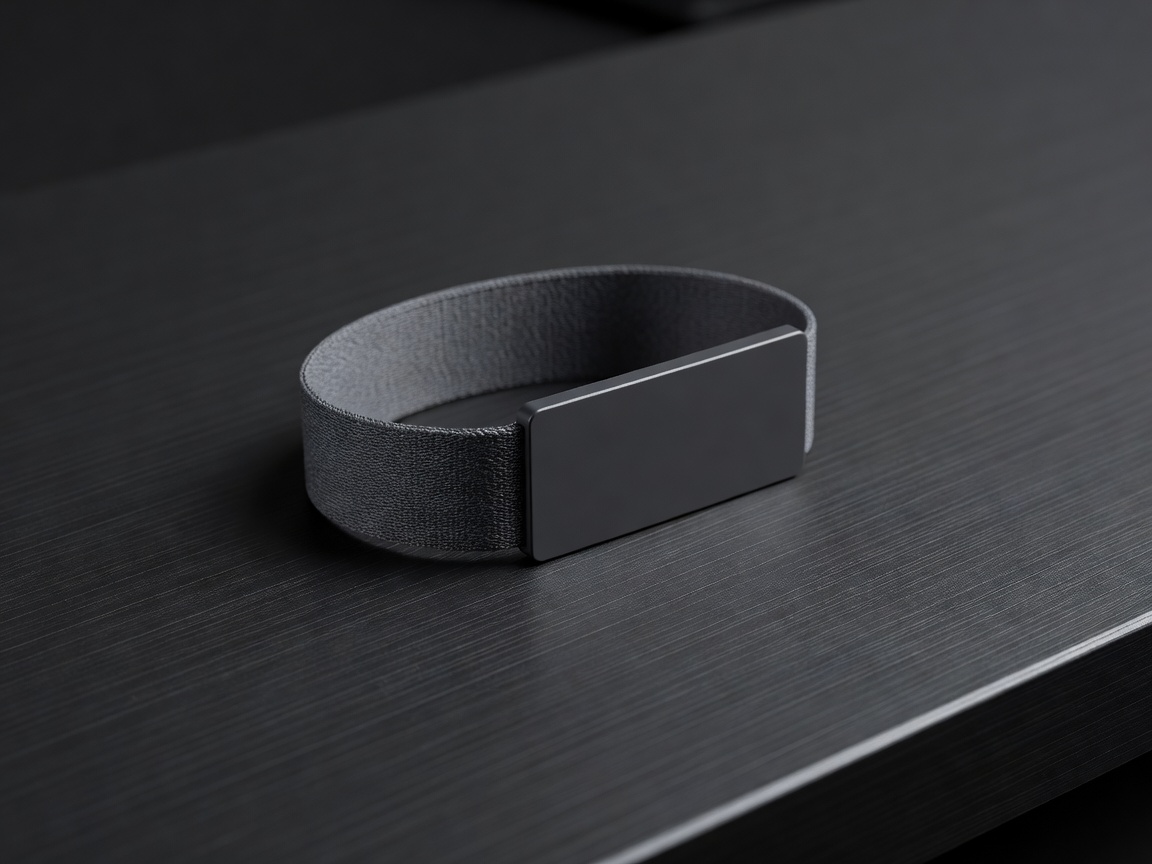
The strap is visible. The useful part is the relationship between a credential, an entitlement and a reader that knows what to ask.
Start with permission, not the chip
A concert ticket describes an entitlement: entry to a particular event, perhaps on a particular day or in a particular area. A wristband is one way to present evidence associated with that entitlement. In many systems the band supplies an identifier, while the ticketing or access platform holds the actual permission. Other designs store authenticated entitlement data on the credential itself.
That distinction explains why a perfectly readable band can still be refused. It may never have been activated, may belong to another session or may have been cancelled after replacement. Conversely, a valid booking cannot help a reader obtain data from a damaged antenna. Staff need separate checks for the physical read and the business decision.
RFID is the family; NFC is a closer description
Radio-frequency identification, or RFID, covers several technologies and operating ranges. NFC operates at 13.56 MHz and is designed for close-proximity communication. Many contactless admission designs use high-frequency technology associated with standards such as ISO/IEC 14443. ISO/IEC 15693 describes another high-frequency contactless family with different characteristics. “RFID compatible” is therefore too vague to establish interoperability.
The NFC Forum defines specifications and certification programmes for NFC devices. ISO/IEC 18092 addresses NFC communication, while ISO/IEC 18000-63 concerns a widely used UHF RFID air interface. These names are useful procurement questions, not proof that two finished products will work together. The chip type, supported commands, security application, antenna and reader software all affect compatibility.
UHF systems can support different reading geometries from a deliberate near-field tap. That does not make them universally better for entrances. A gate designer must consider unintended reads, people standing close together, the venue’s physical layout and the need for an unambiguous attendee action.
| Approach | Typical role | Important limit |
|---|---|---|
| Passive HF / NFC | Intentional close-proximity credential presentation | Compatibility and secure application support must be checked |
| Passive UHF RFID | Reading credentials across a designed detection zone | Read-zone tuning and regional radio requirements matter |
| Bluetooth LE wearable | Powered communication or proximity functions | Needs power, compatible infrastructure and privacy planning |
| Optical code | Camera-based admission credential | Not radio; visibility and duplication controls differ |
Power and memory are separate questions
A passive credential can obtain operating energy from the reader’s radio field. It does not need a battery merely to answer a compatible reader. A wristband with bright LEDs, a receiver or other active electronics may need a battery even when its admission chip is passive. Sharing one wrist strap does not mean those components share a protocol or database.
Memory also varies. Some chips expose little more than an identifier and a small amount of data; others support application files and cryptographic operations. Do not assume that an attendee’s name, purchase history or payment-card details are written into the band. Equally, do not treat a short identifier as anonymous when a server can link it to a named account.
Make issuance a controlled handover
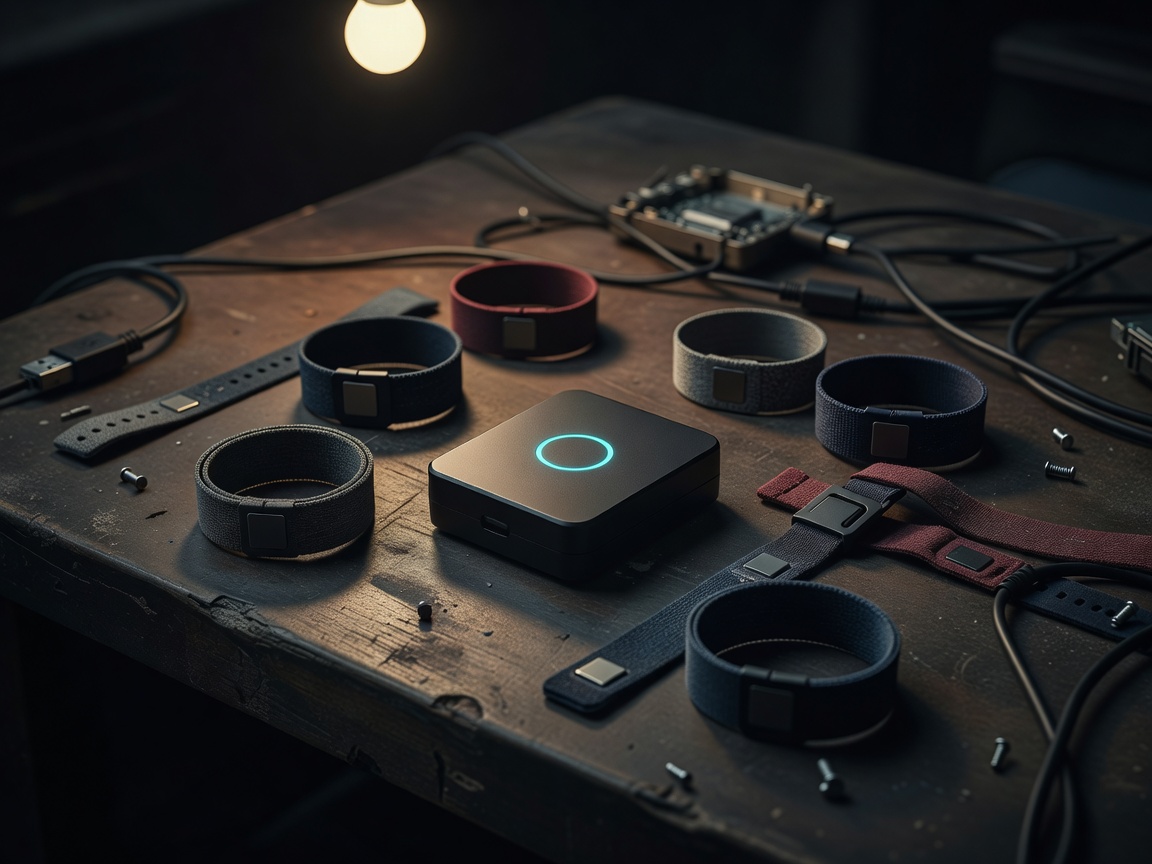
At the issue desk, staff should confirm the original booking, select the appropriate entitlement and associate one usable credential with it. The attendee should understand fit, permitted removal and any re-entry restriction. Tightening a single-use closure is not a substitute for an accessible alternative when the standard strap causes discomfort or cannot be worn safely.
Replacement needs an equally clear sequence. Verify the attendee using the event’s approved process, revoke or disable the old credential where the system supports it, associate the replacement and explain when the change reaches every checkpoint. An offline reader may retain an earlier view until it synchronizes. Operations teams should know that delay rather than promise instantaneous cancellation everywhere.
Ask for a working demonstration
Before deployment, test the band while worn, not only flat on a desk. Body position, antenna orientation, nearby metal, enclosure design and environmental conditions can affect reads. Include wet straps, different wrist sizes and the actual gate furniture. Record what an operator sees when a read succeeds but permission fails.
For procurement, request supported standards, credential lifecycle controls, key ownership, export options and an end-of-event deletion process. Bluetooth SIG documentation can clarify Bluetooth claims; European radio deployments may also require attention to ETSI requirements, including EN 302 208 for relevant UHF equipment. Standards inform the questions, but a venue-specific acceptance test establishes whether the whole system is ready.